
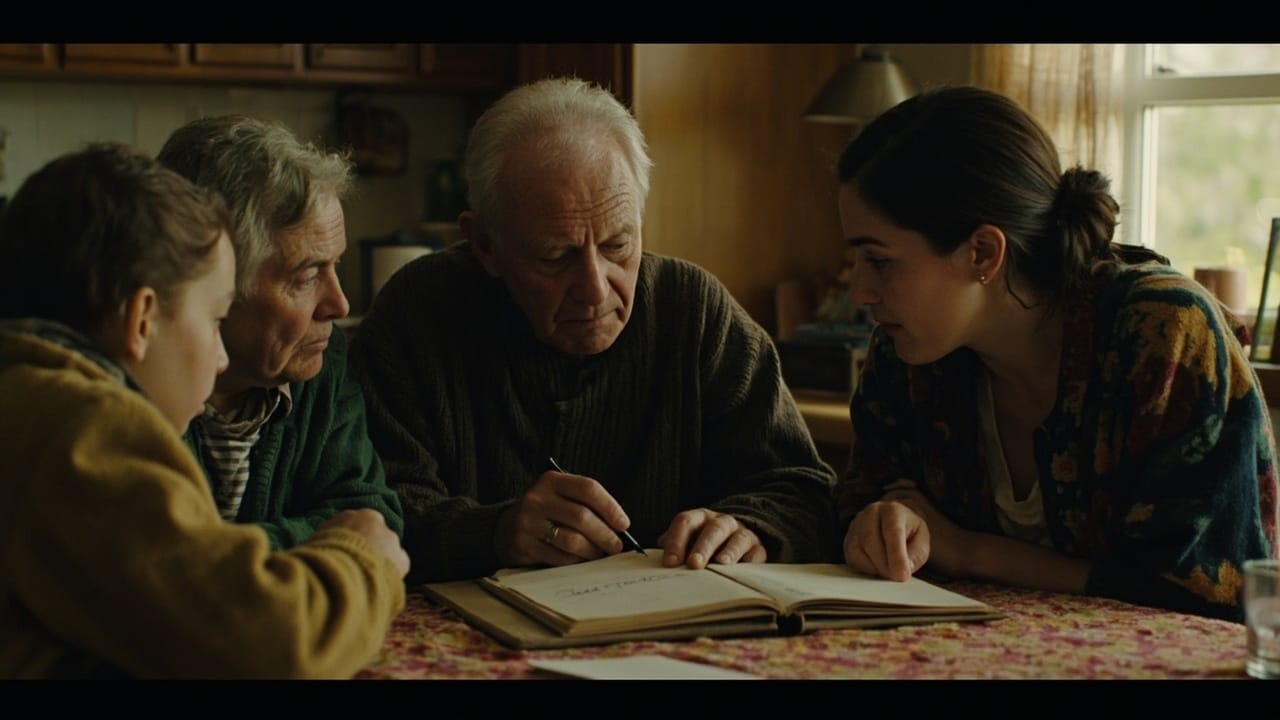
the family deserves the honest version.
families pass stories forward.
the stories explain how people arrived, who sacrificed, what was survived, and why certain rules became important.
over time, memory can turn people into heroes or villains too simple to be human.
honesty protects the lesson.
tell the next generation what the sacrifice created and what it cost. explain the fear behind a strict rule without pretending the rule caused no harm. name the courage without erasing the mistakes.
mythology creates pressure.
children who inherit a perfect family story may believe their own uncertainty is failure. children who inherit only grievance may miss the love, adaptation, and impossible choices inside the past.
choose dignity without choosing denial.
some details belong to the people who lived them. privacy can be responsible. secrecy becomes damaging when it forces the next generation to carry patterns they are not allowed to understand.
ask what the story is meant to teach.
if the purpose is accountability, facts matter. if the purpose is healing, timing and consent matter too. truth delivered as punishment can reproduce the very injury it describes.